
A group from Arlington that included John and Joyce Wanda and Ben Schoenbrun met with Stephanie Rowley, the Dean of the School of Education and Human Development (EHD) at the University of Virginia, to launch the Sangala Learning Innovation Initiative.
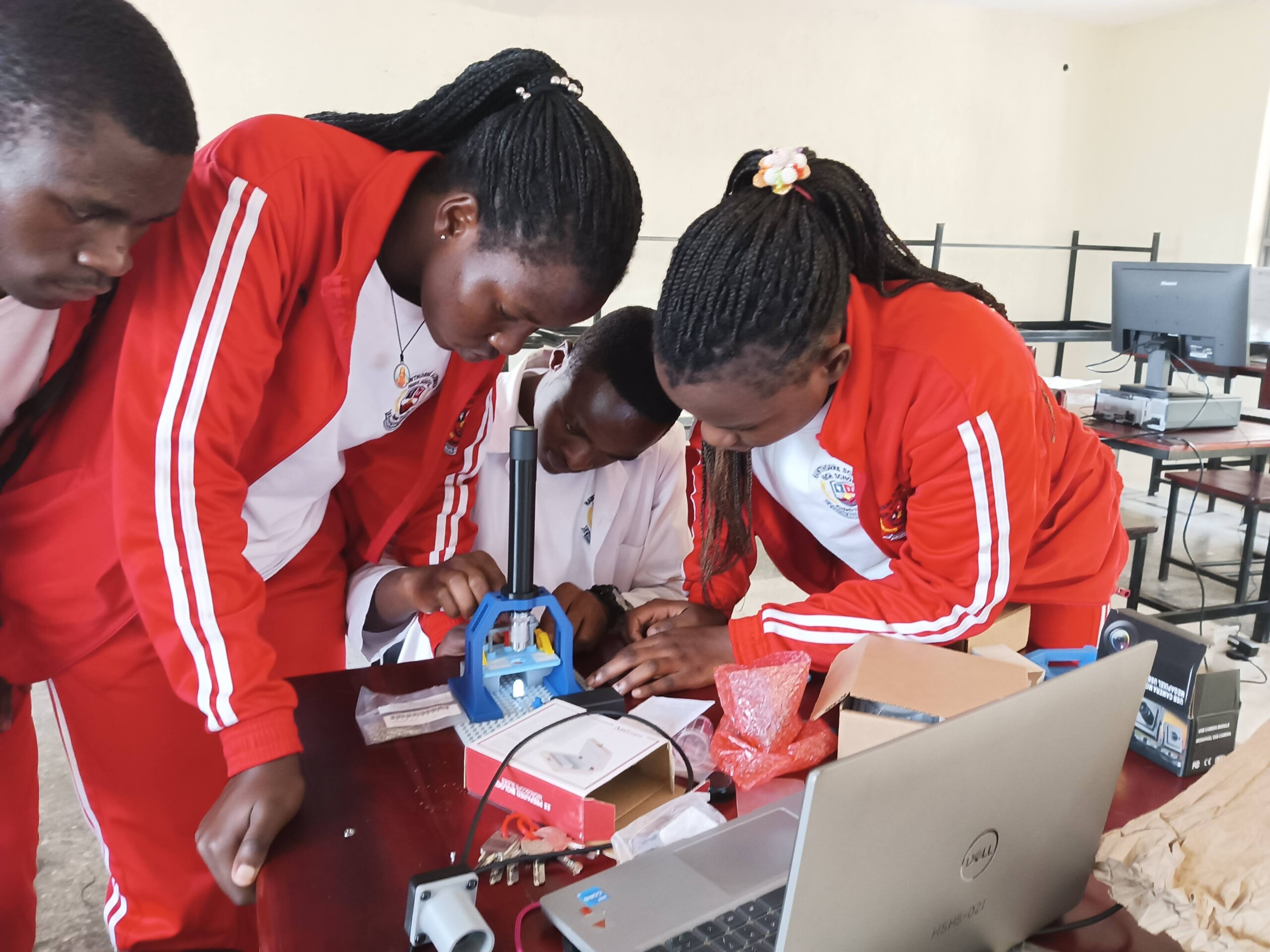
During the spring and summer, students at Hawthorn-Scribner High School collaborated with the EHD Make to Learn Laboratory to learn Computer Assisted Design. The students and their instructor, Isaac Matsanga, successfully fabricated a 3D-printed microscope in the Sangala Lab using a Bambu A1 Mini 3D printer that the Make to Learn Lab contributed. Harry McWreath, UVA’71, helped the students setup and calibrate the 3D printer in Bududa.
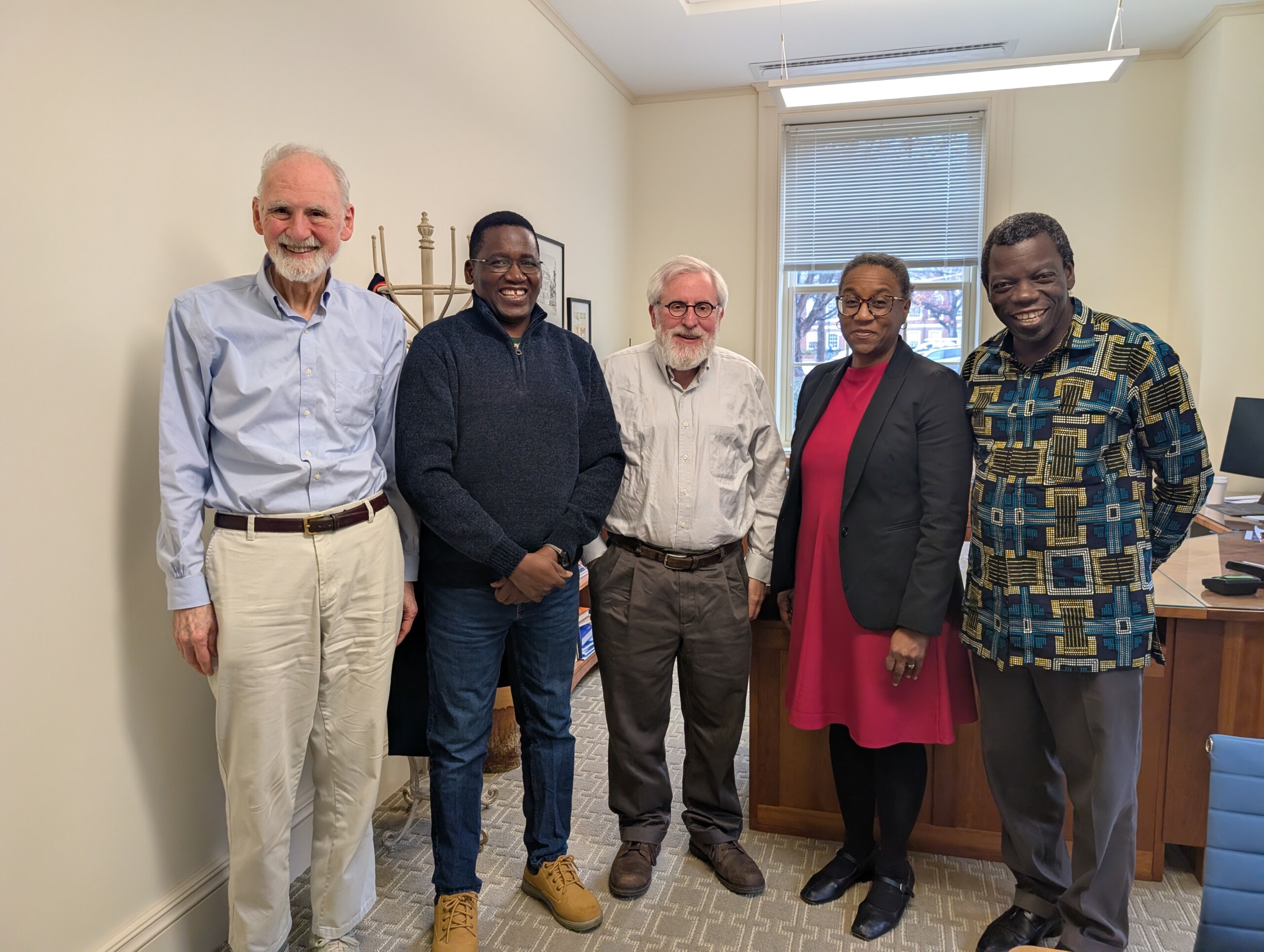
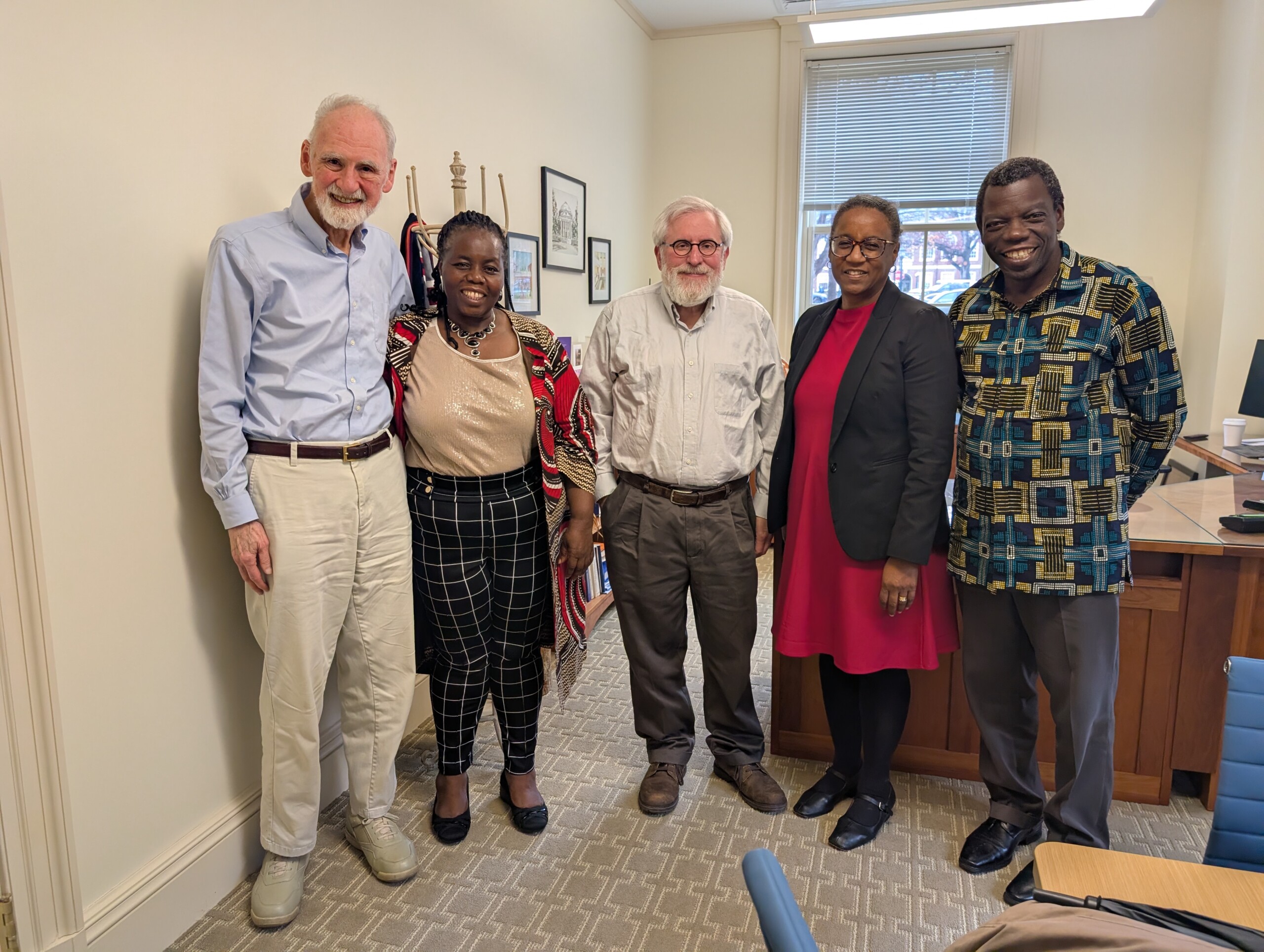
The University of Virginia Center for Global Inquiry and Innovation (CGII), directed by Brian Owensby, has now provided a seed grant that will enable establishment of a microscopy network among five schools in the region. Science classes will use Netscope, the open-source, Internet-connected microscope, to address community needs. These needs include monitoring groundwater contamination supporting local agriculture by identifying crop pathogens and harmful soil microorganisms. The Center for Sustainable Rural Living (CSRL) at Iowa State University is also a partner in this endeavor.
The group also met with Rich Nguyen, a professor of Computer Science who teaches machine learning courses at the University of Virginia. His students, Mathew Lucia and Annie Bai, are developing an application programming interface (API) that will enable images of microorganisms captured with the microscope to be shared via the cloud using iNaturalist. More than 6,000 peer-reviewed scientific articles have employed this open-source citizen science database. Soon, students participating in the Sangala initiative will begin contributing to this database. The Computer Science students at UVA are also developing software that will make use of artificial intelligence (AI) and machine learning for classification of images captured through the microscopy network, MicroNet. Mike Searson, editor of the Journal of AI Enhanced Learning, said, “It will be marvelous to see students learning about artificial intelligence and contributing to this type of citizen science endeavor in the Bududa region.”
The long-term goals of the initiative include the development of engineering capacity by enabling teachers and students to gain hands-on experience in developing innovations that address community needs. This will include joint development of a three-course engineering education curriculum in collaboration with the University of Virginia and the International Technology and Engineering Education Association (ITEEA). The UVA Center for Global Innovation and Inquiry has provided funds that will make it possible to support four students who will become Sangala Scholars and an engineering teacher who will be the first Sangala Teacher.
The word sangala means joy in the Lumasaba or Lugisu language. We aspire for students to find joy in learning through innovations that improve their communities. Because joy broadens learners’ thinking and encourages curiosity, it becomes a catalyst for the creative insight and problem-solving that drive innovation. A team from the University of Virginia that includes Frackson Mumba, a professor of science education, Natasha Heny, a professor of education who leads the EHD Artificial Intelligence committee, and Jo Watts, manager of the EHD Make to Learn Lab, will travel to Bududa in the spring to collaborate on the project. Elizabeth Edmondson, a professor of science education at Virginia Commonwealth University who specializes in life sciences, will also participate in the visit, in her capacity as a representative of the Association for Science Teacher Education (ASTE).